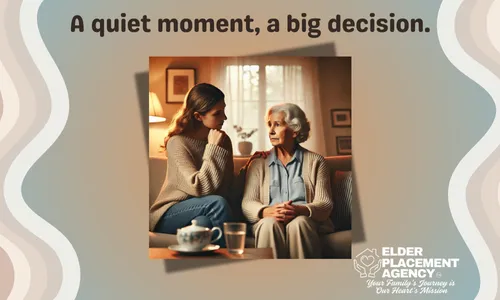
What to Do When a Loved One Refuses Senior Care
What to Do When a Loved One Refuses Senior Care
(How to Approach the Conversation with Compassion and Success)
It’s one of the hardest conversations a family can face. You see the signs: memory loss, missed medications, safety concerns, or increasing isolation. You know your loved one needs help but they won’t accept it.
If your parent or aging family member is refusing senior care, you're not alone. This is one of the most common (and emotionally complex) challenges families face. The good news is, there are ways to approach the situation with empathy, patience, and better outcomes.
Why Seniors Resist Care in the First Place
Understanding their perspective is the first step toward a productive conversation. Common reasons for resistance include:
Fear of losing independence
Denial of declining health or memory loss
Stigma around “nursing homes”
Past trauma from hospitals or institutions
Feeling like a burden
Fear of the unknown or change
It’s important to recognize that even if care seems obviously necessary to you, your loved one may see it as a loss of control, not a step toward better quality of life.
How to Handle It: Do’s and Don’ts
Here are some proven strategies that can help move the conversation forward without damaging relationships:
✅ DO: Start Early and Small
Don’t wait for a crisis. Begin conversations gradually, when emotions aren’t high. Ask open-ended questions:
“How are you feeling about managing things around the house?” or
“Have you thought about how you’d like things to look as you get older?”
❌ DON’T: Give Ultimatums or Pressure
Statements like “You need to move into assisted living now or else...” usually backfire. Instead, stay calm and collaborative. If they feel backed into a corner, they’re more likely to shut down or dig in.
✅ DO: Involve Them in the Process
Let them tour communities, speak with care providers, or review options at their own pace. Even small choices like decorating a new room or choosing a meal plan can restore a sense of control.
❌ DON’T: Focus on What They Can’t Do
Shift the focus from loss to what they can gain: better nutrition, companionship, safety, and support. Reinforce that accepting care isn’t giving up it’s investing in quality of life.
✅ DO: Bring in a Trusted Third Party
Sometimes hearing the same advice from a doctor, clergy member, or senior care advisor can help shift their perspective. At Elder Placement Agency, we specialize in guiding families through this delicate process with care and respect.
What If Safety Is at Risk?
In some cases such as dementia, wandering, or medical neglect refusing care may pose serious dangers. If that’s the case, you may need to involve a healthcare professional or consider guardianship options. These situations are deeply emotional and require careful, compassionate handling.
You Don’t Have to Do This Alone
Helping a loved one accept senior care is never easy but you don’t have to navigate it by yourself.
At Elder Placement Agency, we’ve helped countless families approach these sensitive conversations with compassion and clarity. We can walk you through your options, help guide the conversation, and recommend the best care setting based on your loved one’s needs and preferences.
📞 Call or text us at 407-247-1139
🌐 Visit: ElderPlacement.Agency
📧 Email: [email protected]
Let us help you take the next step gently, thoughtfully, and with your loved one’s best interests at heart.
