The Silent Struggle: How to Support Your Aging Loved One’s Mental Health
The Silent Struggle: How to Support Your Aging Loved One’s Mental Health
Aging and Mental Health: What No One Talks About
Aging should be a time of reflection, joy, and well-earned rest. But for many seniors, it’s a time of loss, loneliness, and quiet suffering.
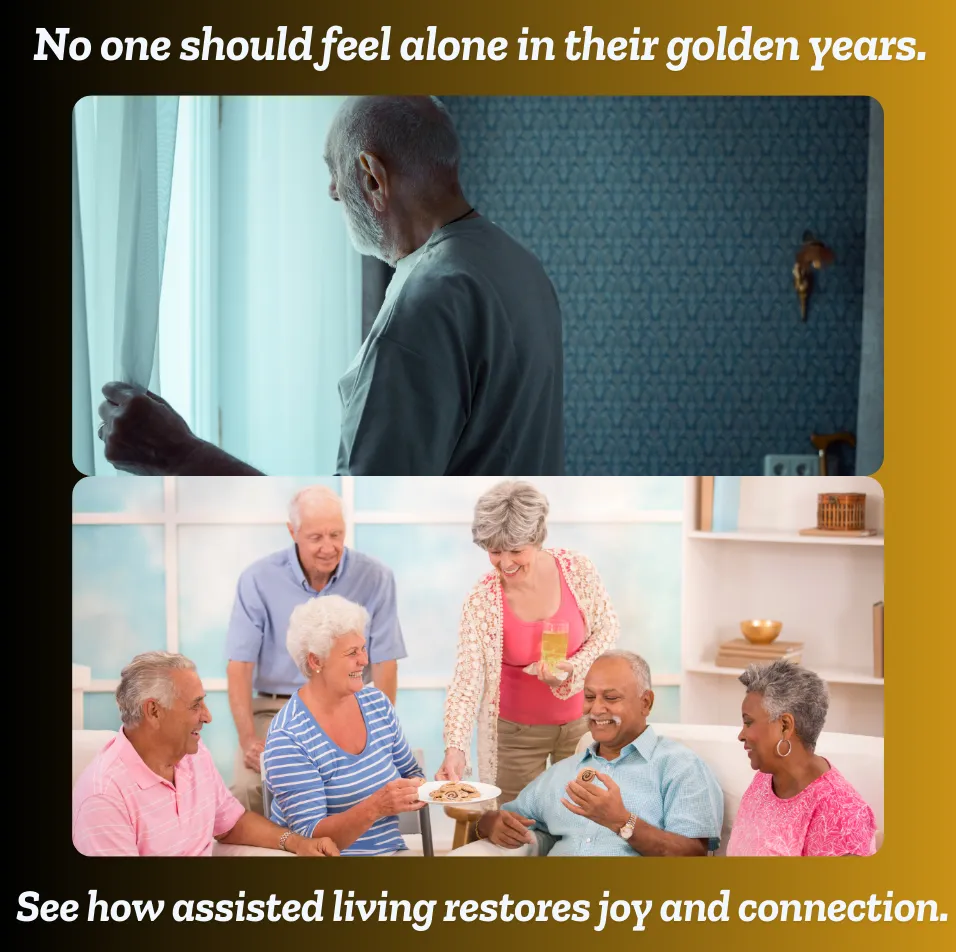
Maybe your mother, once the life of every gathering, now spends most of her time alone in her chair. Maybe your father, who once loved telling stories, now barely speaks. They say they’re “fine.” But deep down, you know something has changed.
Mental health struggles don’t stop with age. In fact, they often become more complex, hidden behind polite smiles and an unwillingness to burden others. Depression, anxiety, and loneliness affect millions of seniors—but they often go unnoticed and untreated.
Signs Your Loved One May Be Struggling
It’s easy to mistake depression for just “getting older,” but there are key warning signs:
Loss of interest in hobbies or socializing
Increased isolation or withdrawal from family and friends
Changes in sleep patterns—sleeping too much or too little
Lack of appetite or noticeable weight loss
Increased irritability, confusion, or memory issues
Expressing feelings of hopelessness or worthlessness
If your loved one is showing these signs, they may need more than just medical care—they may need emotional and social support.
Why Mental Health Declines in Seniors
There are many reasons why elderly individuals struggle with mental health:
Loss of Independence – Tasks that once felt effortless—driving, cooking, managing a home—become difficult or impossible.
Loneliness and Isolation – Friends pass away, family members get busy, and the house that was once full of life now feels empty.
Health Issues – Chronic pain, mobility problems, or memory decline can cause frustration, anxiety, and sadness.
Grief – The loss of a spouse, sibling, or lifelong friend can lead to deep sadness that doesn’t go away.
But here’s the truth: depression is not a normal part of aging. And it shouldn’t be ignored.
How Assisted Living Can Help
A nursing home or assisted living community isn’t just a place for care—it’s a place for connection, engagement, and renewed purpose.
Here’s how the right senior living community can improve mental health:
✅ Socialization – Group activities, events, and shared dining eliminate the loneliness that often comes with aging at home.
✅ Daily Structure & Purpose – Engaging routines, hobbies, and social programs give seniors a reason to look forward to each day.
✅ Mental Health Support – Staff is trained to recognize signs of depression and provide the emotional support seniors need.
✅ Safety & Peace of Mind – No more struggling with daily tasks alone—help is always available, reducing stress and anxiety.
✅ Physical Wellness – Regular exercise, balanced nutrition, and wellness programs keep both the body and mind healthy.
Your Loved One Deserves More Than Just "Getting By"
No one should spend their final years feeling lonely or forgotten. The right senior living community can bring joy back into their life—helping them feel connected, cared for, and truly at home.
At Elder Placement Agency, we help families find the best assisted living and memory care communities that provide not just medical care, but a better quality of life.
If your loved one is struggling with mental health, don’t wait. Contact us today to find a place where they can thrive.
