Are Seniors Outliving Their Support Systems in Central Florida?
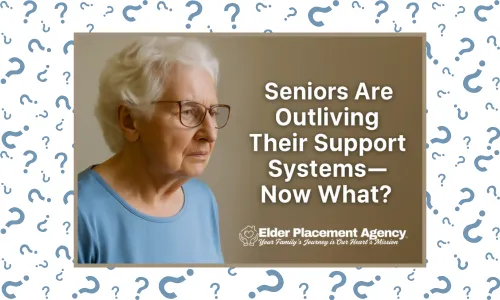
Seniors Are Outliving Their Support Systems—Now What?
It’s a hard truth we don’t talk about enough: more seniors today are outliving their friends, spouses, neighbors—and even their caregivers. While medical advances have increased life expectancy, the emotional and logistical support systems seniors depend on haven’t always kept up.
In Central Florida, this reality is showing up in subtle but significant ways: missed doctor’s appointments, malnutrition, medication errors, and growing emotional withdrawal. Families are often shocked to realize the “independent” aging loved one they checked in on last holiday is now showing signs of serious decline—and no one saw it coming.
The Quiet Epidemic of Aging Alone
According to the CDC, nearly 1 in 4 adults aged 65+ is considered socially isolated, and that number is growing as more seniors outlive their social circles.
Some common support gaps include:
The spouse who used to manage household logistics has passed away
The adult child caregiver has moved, burned out, or aged themselves
The neighbor who used to check in has downsized or moved
Health aides have rotated out or become too expensive to maintain
Friends their own age have passed or are in care themselves
While aging in place sounds ideal, without a consistent, active support system, it can quickly become unsafe.
What Are the Warning Signs?
It’s easy to assume everything’s fine if a loved one “sounds okay” on the phone—but small details often reveal larger issues:
Unopened mail or unpaid bills
Fridge with expired or no food
Missed prescriptions or overmedicating
Hygiene decline or unexplained bruises
Increased forgetfulness or confusion
Social withdrawal or disinterest in once-loved hobbies
These are signs that a reactive approach won’t be enough. It’s time to be proactive.
What Families Can Do—Before Crisis Strikes
You don’t need to wait for an emergency to step in. In fact, the most successful transitions happen when they’re made from a place of strength, not desperation.
Here’s how to start:
1. Have the Talk (Before You Think They’re Ready)
Frame the conversation as planning for independence, not taking it away. Ask open-ended questions like:
“If something happened to me, who would you call?” or “What would make your day easier?”
2. Assess the Current Support Network
Create a visual “circle of care.” Who is helping with meals, appointments, emotional support? Where are the gaps?
3. Explore Community-Based Options
There are outstanding assisted living and memory care communities in Central Florida designed to enhance connection, not restrict it. These communities offer 24/7 support, peer relationships, engaging activities, and peace of mind.
4. Start Touring Early
Don’t wait until a hospital social worker is handing you a list. Touring early allows your loved one to be part of the decision—and gives you time to compare, ask questions, and get comfortable.
You’re Not Alone in This
Families often feel guilt or confusion when faced with these realities. But recognizing that a senior loved one may be outliving their support system is not a failure—it’s a call to evolve the care plan.
We’re here to help you every step of the way.
At Elder Placement Agency, we specialize in helping Central Florida families find safe, social, and supportive communities for aging loved ones—before a crisis hits. Whether you're exploring options or unsure where to start, we’re ready to guide you with compassion, experience, and heart.
📞 407-247-1139
🌐 ElderPlacement.Agency
📧 [email protected]
We don’t just find beds—we find belonging. No cost. No pressure. Just guidance that puts your loved one first.
