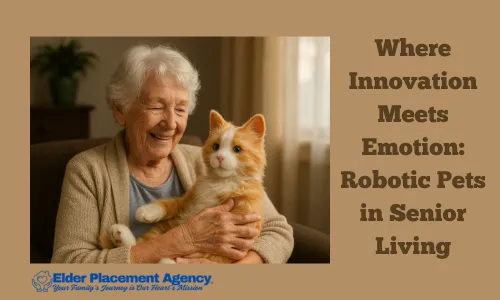
The Curious Case of Robotic Pets: A Strange but Comforting Trend in Elder Care
Strange but Comforting Trend in Elder Care
Introduction
When you think of elder care innovations, you might imagine advanced medical devices or personalized care plans. But one of the most surprising—and surprisingly effective—trends in senior living today is robotic pets. Yes, robotic cats, dogs, and even seals are finding homes in elder communities, offering unexpected comfort and companionship.
The Rise of Robotic Companions
Loneliness is a critical health risk for seniors, comparable to smoking 15 cigarettes a day, according to recent studies. While traditional pet therapy has long been valued, live animals require care that some older adults can no longer manage. That’s where robotic pets come in: highly responsive, soothing, and maintenance-free.
Manufacturers have created plush robots that mimic real animals by purring, wagging their tails, and even breathing rhythmically. They offer seniors a calming, interactive experience without the challenges of feeding, cleaning, or vet visits.
The Science Behind the Comfort
At first glance, robotic pets might seem like a novelty. But scientific research shows that these companions can lower stress, reduce anxiety, and alleviate feelings of loneliness. In fact, a study published in the Journal of the American Medical Directors Association found that seniors interacting with robotic pets experienced reduced agitation and increased social engagement.
Emotional connection doesn’t have to be biological to be beneficial. For seniors, particularly those facing memory loss or cognitive challenges, these artificial pets can evoke joy, soothe nerves, and foster emotional security.
The Ethical Conversation
Of course, the rise of robotic pets has sparked important ethical discussions. Critics worry that artificial companionship could dehumanize care or discourage human connection. However, caregivers and experts argue that robotic pets are not replacements for people—they are supplements to care, filling emotional gaps when human interaction isn't always available.
Many caregivers have reported improved moods, reduced episodes of anxiety, and smoother transitions among residents using robotic companions.
What This Means for the Future of Elder Care
As our senior population grows, elder care is embracing technology in thoughtful ways. Robotic pets demonstrate that simple, creative solutions can meet profound emotional needs. They are not a substitute for compassionate caregiving, but a tool to enhance emotional support where it’s needed most.
Conclusion
Sometimes the strangest ideas make the biggest difference. Robotic pets may seem unusual, but they are helping seniors live happier, calmer, and more connected lives—one soft purr and wagging tail at a time.
Ready to find the perfect elder care solution for your loved one?
At Elder Placement Agency, we specialize in compassionate, innovative care options that prioritize well-being and dignity.
📞 Call us today at 407-247-1139
🌐 Visit us at ElderPlacement.Agency
✉️ Or email us at [email protected]
We’re here to help you every step of the way.
